
Dental bonding can significantly improve the appearance of your smile in just one dental visit. But how long does dental bonding last? In this article, we answer this question and offer tips for caring for bonded teeth to help the results of the procedure last longer.
How Long Does Dental Bonding Last?
Dental bonding is a cosmetic procedure that can address a variety of issues, such as tooth staining, uneven tooth size and shape, chips, cracks, and minor gaps between teeth.
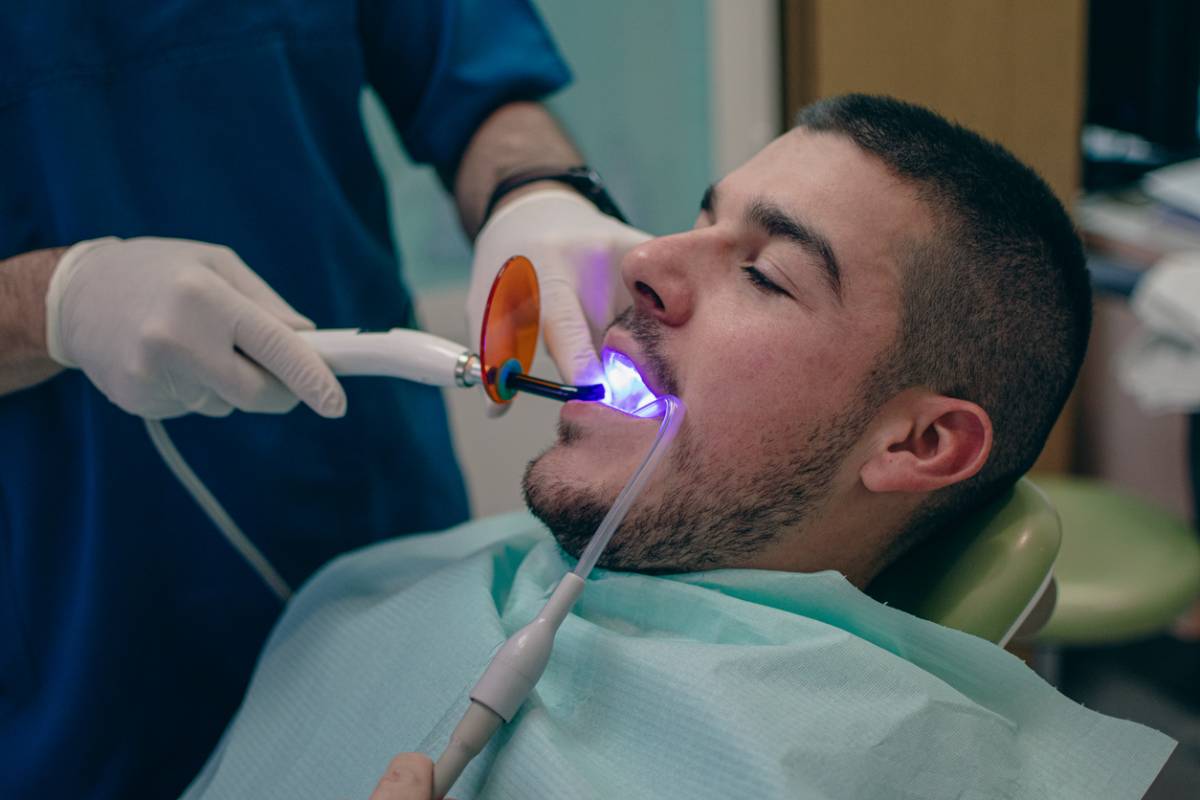
During the procedure, resin composite (the same material used for dental fillings) is applied to the parts of the tooth that require adjustments, then shaped to the desired look. At the end of the procedure, the resin composite is hardened with a special light and polished to achieve a natural tooth-like appearance.
With proper care and dietary restrictions, the results of your dental bonding procedure can last for 5 to 7 years before the bonding needs to be replaced.
How to Take Care of Dental Bonding So It Lasts Longer
Resin composite is a durable material, but it is not invincible and requires proper care to last. Let us look at the most important care rules for bonded teeth.
Diet and Dental Bonding
Dental bonding can get stained or discolored. We recommend limiting or excluding the following foods and beverages from your diet:
- Red wine
- Black coffee and tea
- Beet root and carrots
- Brightly colored spices, such as curry and paprika
- Soda and candies with artificial dye
If you consume any of the staining products, we recommend brushing your teeth or at least rinsing your mouth immediately after the meal.
Additionally, avoid hard and crunchy foods, such as crackers, stale bread, and nuts that can chip or crack your bonding. Biting down hard on apples or corn cobs can also damage or dislodge your dental bonding.
Personal Habits and Dental Bonding
To prevent physically damaging your bonded teeth:
- Avoid habits like biting your nails or chewing on hard objects, such as pens and pencils.
- Wear a mouthguard if you play extreme or contact sports.
- Wear a mouthguard at night if you experience bruxism.
- Avoid smoking as it can stain the bonding.
Oral Hygiene and Dental Bonding
Effective oral hygiene is essential for dental bonding, as it helps retain its original color longer and prevents tooth decay in the bonded teeth. We recommend following these rules:
- Brush your teeth twice a day for 2 full minutes each time.
- Use fluoride toothpaste to reduce bacterial growth in the mouth and help remineralize tooth enamel.
- Avoid brushing your teeth with abrasive toothpaste (for example, toothpaste containing soda or charcoal) and a hard-bristled toothbrush, as they can create microscratches on the bonding surface. Food and beverage residue, plaque, and bacteria can get stuck in these micro scratches, leading to the bonding appearing discolored.
- Do not use whitening products, as they are not designed for resin composites and can damage them.
- Floss thoroughly every evening
- Use a water flosser as an additional step after traditional flossing and brushing (typically recommended as the first step in the routine, followed by flossing and then brushing).
Get Dental Bonding at TruGlo Modern Dental Beverly Hills
If you are considering dental bonding, do not hesitate to make an appointment with an experienced cosmetic dentist at TruGlo Modern Dental Beverly Hills. Our specialists will evaluate your cosmetic issues and goals and offer you an effective solution. We are looking forward to your visit.