


Dentures
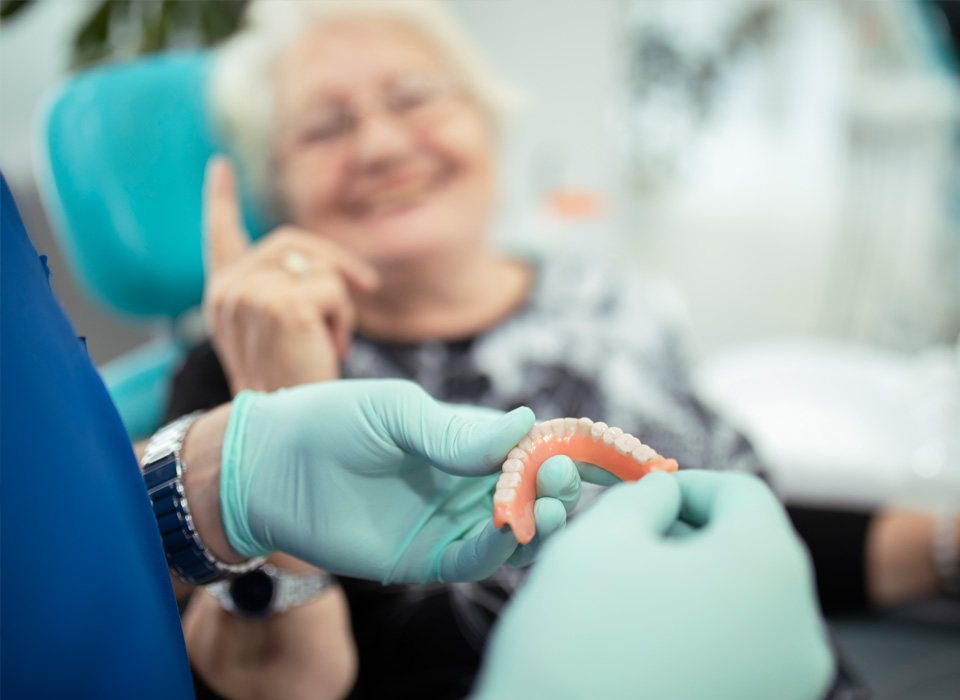
Living with gaps in your smile can create a range of challenges. Eating becomes inconvenient. Smiling can make you self-conscious. And even speaking may hit some hurdles. Dentures allow patients to reclaim a full set of teeth and see lasting improvements to multiple aspects of their quality of life.
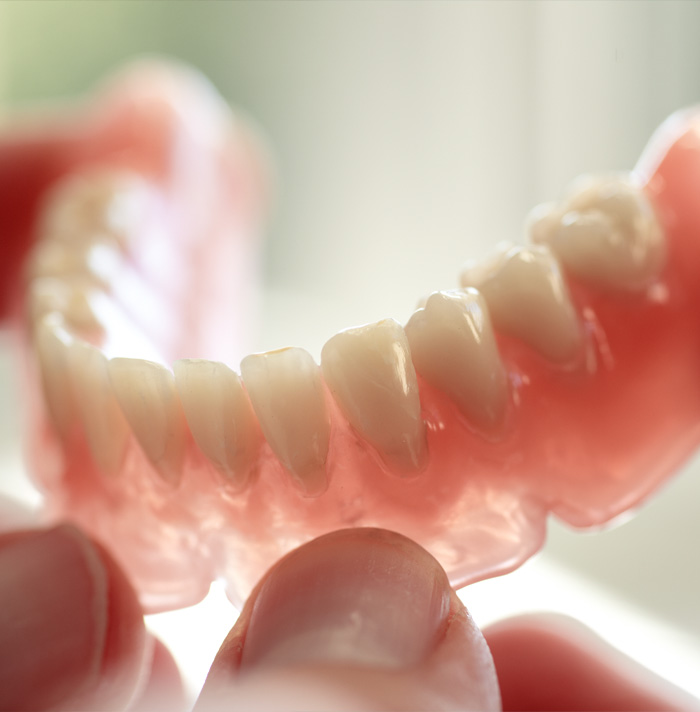
What Are Dentures?
Dentures are sets of artificial teeth worn over the gums. We have each set custom-made in a partnered lab, so the results look natural, even upon close inspection. Patients can remove their dentures to clean them daily or easily replace them.
Types of Dentures
- Partial Dentures: Replace several teeth in a row, filling in gaps in your smile.
- Full (Complete) Dentures: Replace an entire set of teeth (upper, lower, or both). These are the type of dentures most people picture when thinking about them.
- Implant-Supported Dentures: Partial or full dentures that affix to surgically placed dental implants for added stability. Dentures can be supported by 1 to 4 implants.
NO DENTAL INSURANCE?
NO PROBLEM!

Dental membership
NO ANNUAL MAX!
NO WAITING PERIOD!
NO LIMITATIONS!
Benefits of Dentures
- Restore ability to speak with ease
- Chew and eat comfortably
- Minimal diet restrictions
- Durable option
- Easy to clean and maintain
FAQs
What is the process like?
- Consultation + Exam: First, we need to build a picture of your oral health. Tooth loss happens for a range of reasons, from injury to gum disease. Once we fully understand your situation and your goals, we can help you find an appropriate solution.
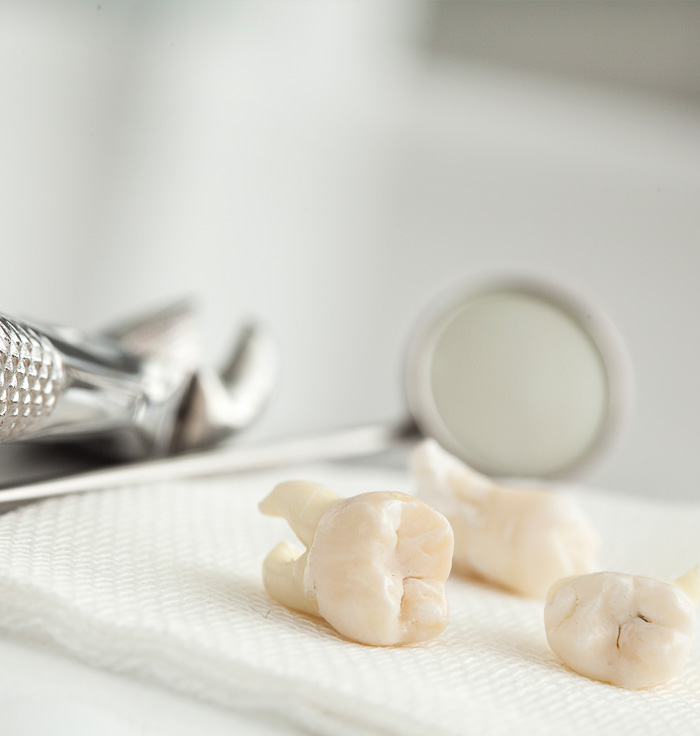
- Removing Teeth: Many patients may have some remaining teeth before getting dentures. However, these teeth may be damaged by decay or not viable to keep on their own. Depending on your oral health, we may also first need to perform other treatments.
- Placing the Implant: If you plan to have implant-supported dentures, then the next step is to have the implants placed.
- Taking Impressions: Once your jaw is ready, we can take impressions. These allow our technicians to make dentures that will fit like a glove over your gums.
- Dentures Fitting: Once your set of dentures is finished, you can come in for a fitting. Even properly fitted may feel a little odd at first. However, they should rest comfortably over your gums.
- Trial Period: The first couple weeks of denture use can take some adjustment. We provide full information and tips to help you get used to your new teeth.
Are dentures right for me?
For the right patient, dentures can make a world of difference. However, we want to ensure they are the right solution for you before moving forward. Dentures are best for patients who have had a smile significantly impacted by tooth loss. For patients missing only a single tooth or a small number, we may recommend alternative treatments.
Dr. Rhonda Kalasho personally meets with each patient who needs a tooth loss solution. Her years of experience and compassionate approach ensure you will feel at ease throughout the consultation.
What are alternative treatments?
- Dental Implants: Replace one tooth at a time with a durable solution.
- Dental Crowns: Repair a damaged tooth so it does not need to be removed.
- Dental Bridges: Fill in gaps in your smile
How long does a set of dentures last?
- Partial Dentures: These last quite a while, with many patients enjoying a single set for up to 15 years.
- Complete Dentures: Full dentures can wear down quicker than partials, but they still last about 10 years on average.
- Implant-Supported Dentures: These last the longest, with overdenture sets needing replacing only every 10 to 20 years.
Taking good care of your dentures will help them last longer. Some key ways to get the most out of your new teeth include:
- Avoiding hard or tacky foods
- Cleaning your dentures daily
- Handling them with care
- Attending routine dental visits
Does insurance cover this treatment?
Some insurance plans will reimburse patients for at least part of the cost of dentures. However, each plan’s coverage and amount of reimbursement can vary. We recommend calling your provider to ask if dentures are covered in your plan.
Our TruGlo Membership plans also offer a way to make dentures more affordable. Each tier offers unique discounts and benefits, from routine cleanings to tooth replacement options. Call our office to learn more about our available plans.
HOW MUCH DO DENTURES COST?
If you pay out of pocket, traditional removable dentures cost between $1,000 and $2,000 depending on the type of restoration, the complexity of the work, and the materials used. Most dental insurance plans cover 50% to 80% of the denture cost, depending on your specific plan, yearly maximums, and deductibles. Implant-supported dentures are more expensive and cost between $5,000 and $15,000 per arch, as they require careful preparation and surgeries. If you need additional services, such as tooth extractions or bone and soft tissue grafting, the total cost of getting dentures will be higher.
ARE DENTURES BETTER THAN DENTAL IMPLANTS?
Even though dental implants and bridges typically provide more stability than traditional removable dentures, the latter can be an excellent teeth replacement solution for people who can not have either of the former options due to health or financial considerations. Dentures improve chewing function and increase dietary choices for people who miss their natural teeth and support facial muscles and lips. Additionally, dentures offer improved appearance of your smile and support speaking function.
WILL DENTURES LOOK NATURAL?
Traditional dentures can look very natural in the mouth when they are made of high-quality materials and customized based on your anatomy. Also, an experienced dentist will help you choose the color of the base and the shade of the crowns that will complement your skin tone and age to maximize a natural look.
HOW DO I CARE FOR AND CLEAN MY DENUTRES?
Good practices for cleaning and caring for your dentures include:
- Thoroughly clean your dentures with a soft-bristled toothbrush and unscented soap or special denture cleaning solution twice a day to prevent plaque and bacteria buildup and unpleasant smell.
- Soak your dentures in water or a special solution every night.
- Never let your dentures dry out completely, as this can lead to changes in their shape and in the way they fit.
- When cleaning your dentures, always do it over a bowl filled with water, so as to prevent your dentures from breaking if you accidentally drop them.
- Do not use hot water for cleaning your dentures and avoid drinking hot liquids when wearing dentures, as hot temperatures might warp the base material, leading to an uncomfortable fit.
- When you have to take your dentures off, always place them in a designated container and keep the container clean.
- Avoid staining foods and beverages to prevent discoloration of the denture materials.
- Opt for soft foods as hard and crunchy foods can make the dentures slip or break.
- Always rinse your dentures when you take them off and before putting them back in your mouth.
- Clean your gums well twice a day and always rinse your mouth before putting the dentures on.
Book Your Appointment
Dr. Rhonda Kalasho and the TruGlo team provide multiple options for replacing missing teeth, including dentures in Beverly Hills. Call the office or use the online form to set up your consultation appointment to start rebuilding your smile. Experience compassion care with our dentist in Beverly Hills.